

Do You Need an RV Security Camera System?
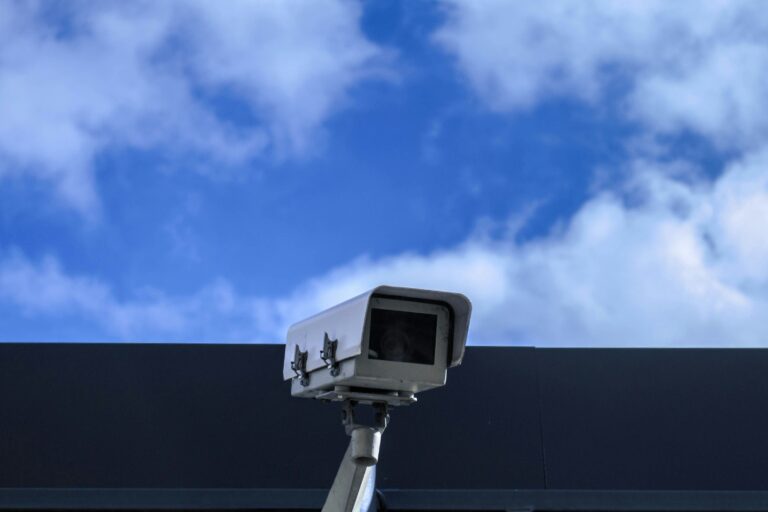
Do You Need an RV Security Camera System?
When you spend enough time in campgrounds, you start to appreciate the general sense of trust in the RV community. Most people are out there for the same reasons—quiet mornings, campfires, and time outdoors. It’s easy to assume everyone around you shares that mindset.
But the reality is that theft and vandalism do happen. Sometimes it’s a cooler left outside overnight. Sometimes it’s tools from a truck bed. And occasionally it’s something more serious involving the RV itself. The risk doesn’t disappear when your rig is parked in storage either. That’s why more RV owners are adding security cameras and monitoring systems to their setups.
So do you actually need an RV security camera system? For many RVers, the answer is yes, especially if you travel often or leave your rig unattended for long periods.
What to Look for in an RV Security Camera System
Not every security system is designed with RV travel in mind. Before buying one, it’s worth thinking about how and where you typically use your rig.
1. Easy Installation
An RV setup shouldn’t require hours of wiring or complicated tools. Most travelers prefer systems that can be installed quickly and removed just as easily if needed. Wireless cameras are often the easiest option since they eliminate the need to run cables through walls.
That said, more advanced systems sometimes require a more permanent installation. These setups may offer additional features, but they can take more time to install and occasionally require professional help.
2. Monitoring Options
Think about how you want to check in on your RV. Many modern systems allow you to monitor cameras through a smartphone app, which is convenient when you’re away from the campsite. Others also allow monitoring from a laptop or desktop computer.
Choosing a system that matches how you prefer to check alerts and view footage makes a big difference in day-to-day usability.
3. Detection Features
Some RV camera systems are simple: a camera connected to a base station. Others include additional sensors designed to detect activity around your rig.
Common options include motion detectors, entry sensors for doors and windows, and even glass-break sensors. If you’re primarily concerned about activity around the outside of your RV, motion-activated cameras may be enough. If you want broader protection, look for systems that include multiple detection methods.
What If You Don’t Have Power or Wi-Fi to Run an RV Security Camera System?
One of the challenges with RV security is that you’re not always connected to shore power or campground Wi-Fi. Many newer camera systems address this by using rechargeable batteries or small solar panels to keep the system running.
Connectivity is another factor. If you spend most of your time in established campgrounds, a Wi-Fi-based system may work fine. But if you regularly boondock in remote areas, cellular or satellite-enabled systems can provide more reliable monitoring.
An RV security camera system won’t eliminate every risk, but it can add another layer of protection—and peace of mind—whether your rig is at the campsite or sitting in storage.
Do you use a security camera system on your rig? Let us know in the comments or contact us today!
Related Posts

How to Drive Your RV in Big Cities

Understanding the Emergency Start Button in Your RV
